
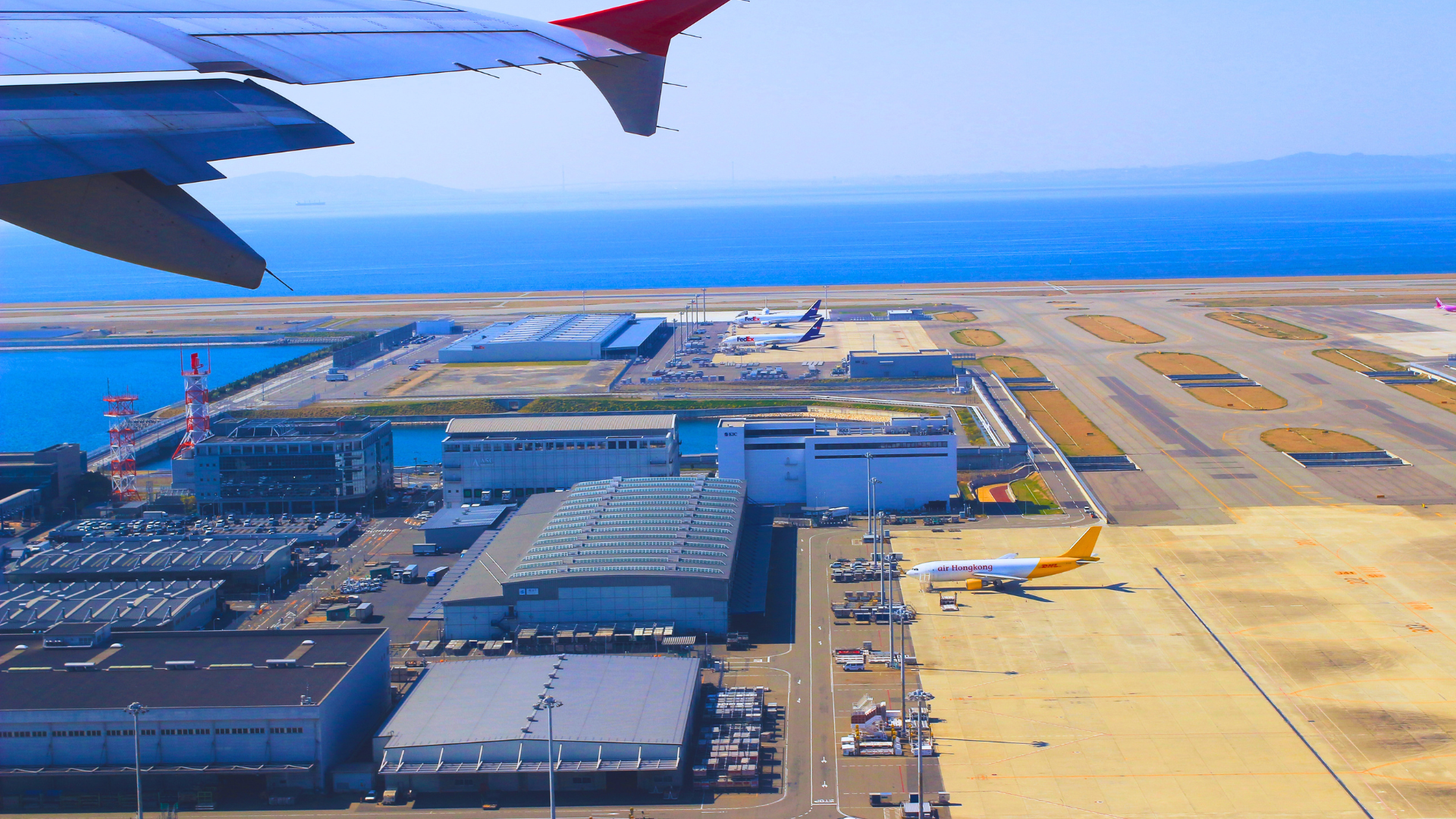

Aviation is entering a new investment cycle. Passenger
demand is recovering and expanding, but the more consequential opportunity lies
beneath the passenger numbers: airports, aircraft, logistics networks,
maintenance ecosystems, digital infrastructure, energy systems and the
partnerships required to connect them. The global aviation industry is
therefore becoming as much a capital-allocation story as a transportation
story.
Aviation's Capital Cycle Is Changing
The scale is substantial. IATA expects airlines to generate
approximately $1.05 trillion in revenue in 2026, while passenger traffic is
projected to reach a record 5.2 billion people. Yet airline profitability
remains structurally thin, with industry net margins expected to remain around
3.9%. The contrast is important: aviation can be an enormous economic ecosystem
without airlines themselves necessarily being high-margin businesses. The
investment opportunity increasingly sits across the wider value chain.
Airports Are Becoming Investment Platforms
Airports are particularly important. Unlike airlines, which operate highly competitive and asset-intensive businesses, airports can function as long-duration infrastructure assets with multiple revenue streams. Passenger fees, retail, cargo, property, parking, concessions and surrounding commercial development can combine to create diversified economic platforms. This is driving growing interest from infrastructure investors, pension funds, sovereign wealth funds and strategic operators seeking long-term exposure to transport infrastructure.
The most sophisticated airport developments are consequently
being designed as more than terminals. They are becoming integrated economic
districts, combining aviation with logistics parks, commercial real estate,
hospitality, free zones, manufacturing, cargo infrastructure and urban
development. The airport is increasingly the first component of an ecosystem
rather than the final destination of an infrastructure project.
Public Capital Can Unlock Private Capital
This creates an important opportunity for governments. Public capital does not necessarily need to finance an entire aviation project. It can be used to make the wider opportunity investable through land, enabling infrastructure, regulatory frameworks, guarantees, concession structures, development finance and anchor commitments. The objective is to use public resources to mobilise significantly larger pools of private and institutional capital.
The same principle applies to aviation infrastructure beyond
airports. Air cargo facilities, aircraft maintenance and repair operations,
aviation training, fuel infrastructure, digital systems and sustainable
aviation fuel can all become investment platforms. A country seeking to develop
an aviation hub therefore has the opportunity to capture value across an entire
supply chain rather than simply collecting passenger fees.
The Next Investment Frontier Is Sustainable Aviation
Sustainable aviation is creating another major investment frontier. The aviation sector cannot decarbonise through aircraft technology alone. It will require investment across sustainable aviation fuel, renewable energy, airport electrification, aircraft efficiency, carbon-management technologies and associated infrastructure.
IATA estimates that sustainable aviation fuel production
will reach 1.9 billion litres in 2026, still only around 0.6% of airlines'
projected fuel consumption. The gap between ambition and available supply
represents both a challenge and a substantial investment opportunity.
Aircraft Finance Is Its Own Capital Market
Aircraft finance is evolving at the same time. Airlines increasingly rely on leasing and sophisticated financing structures to maintain and expand fleets, while aircraft lessors have become major participants in the global aviation capital market.
The result is an industry in which banks, institutional
investors, leasing companies, export-credit agencies, manufacturers and
governments can all participate in the financing architecture behind a single
aircraft or fleet strategy.
Partnerships Are Becoming the Real Competitive Advantage
Strategic partnerships are becoming equally important. An airport authority may provide infrastructure and market access; an international operator may contribute technical expertise; an airline may provide connectivity; a sovereign investor may provide long-duration capital; and a logistics or technology company may build the surrounding commercial ecosystem.
The most valuable aviation transactions increasingly depend on bringing these capabilities together rather than relying on a single source of capital.
This is particularly relevant in emerging markets. Rapid urbanisation, rising middle-class incomes and expanding trade are creating significant long-term aviation demand across Asia, Africa and the Middle East. But demand alone does not create a successful aviation hub. Infrastructure must be bankable, regulation credible, connectivity commercially viable and institutional partners aligned.
The ability to structure these elements may become as
important as the availability of capital itself.
From Airport Projects to Economic Ecosystems
The investment question is therefore shifting.
It is no longer simply:
How do we finance an airport?
It is:
What economic platform can this airport unlock?
That change in perspective can transform the economics of
aviation infrastructure. A strategically positioned airport can anchor
logistics, tourism, manufacturing, commercial real estate and international
investment, creating value far beyond the aeronautical business.
Where Capital Will Move Next
The next generation of aviation investment will be defined by integration. Capital will move toward opportunities where infrastructure, connectivity, policy, technology and commercial demand reinforce one another.
Governments that can create those conditions will be better
positioned to attract institutional investors and strategic operators.
Investors that understand the wider ecosystem will be better positioned to
identify value before it becomes obvious.
The AAARGO Perspective
At AAARGO, we see aviation as part of a broader strategic infrastructure landscape. The opportunity is not simply to connect capital with airports or airlines, but to structure the relationships between governments, investors, operators and enterprises that allow aviation ecosystems to develop at scale.
The future of aviation will be built by aircraft and
airports—but also by the capital, institutions and partnerships behind them.
Capital is taking flight. The opportunity is to determine
where it lands.